We are a proud member of the Housing Industry Association Limited (HIA)


You've been in the game for years. You know how to do the work. But somewhere along the way, you realised that most of what you do on site isn't actually written down anywhere — it's just in your head and in the photos on your phone.
That's the gap that RPL (Recognition of Prior Learning) exists to fill. It's the formal process where an assessor looks at what you've actually done and says, "Yep, that's worth a qualification."
But here's what tradies often don't realise: RPL isn't magic. You can't just show up and get qualified on your word alone. You need evidence. Real, solid evidence of the work you've done and the skills you've applied.
Here's what that looks like and why it actually matters.
An RPL assessor isn't interested in vague claims. They need to see proof that you've actually done the work and done it to the national standard. That evidence typically comes in a few forms:
The key is that all of this is pointing to the same thing: you've got genuine, demonstrable experience in the building and construction industry.
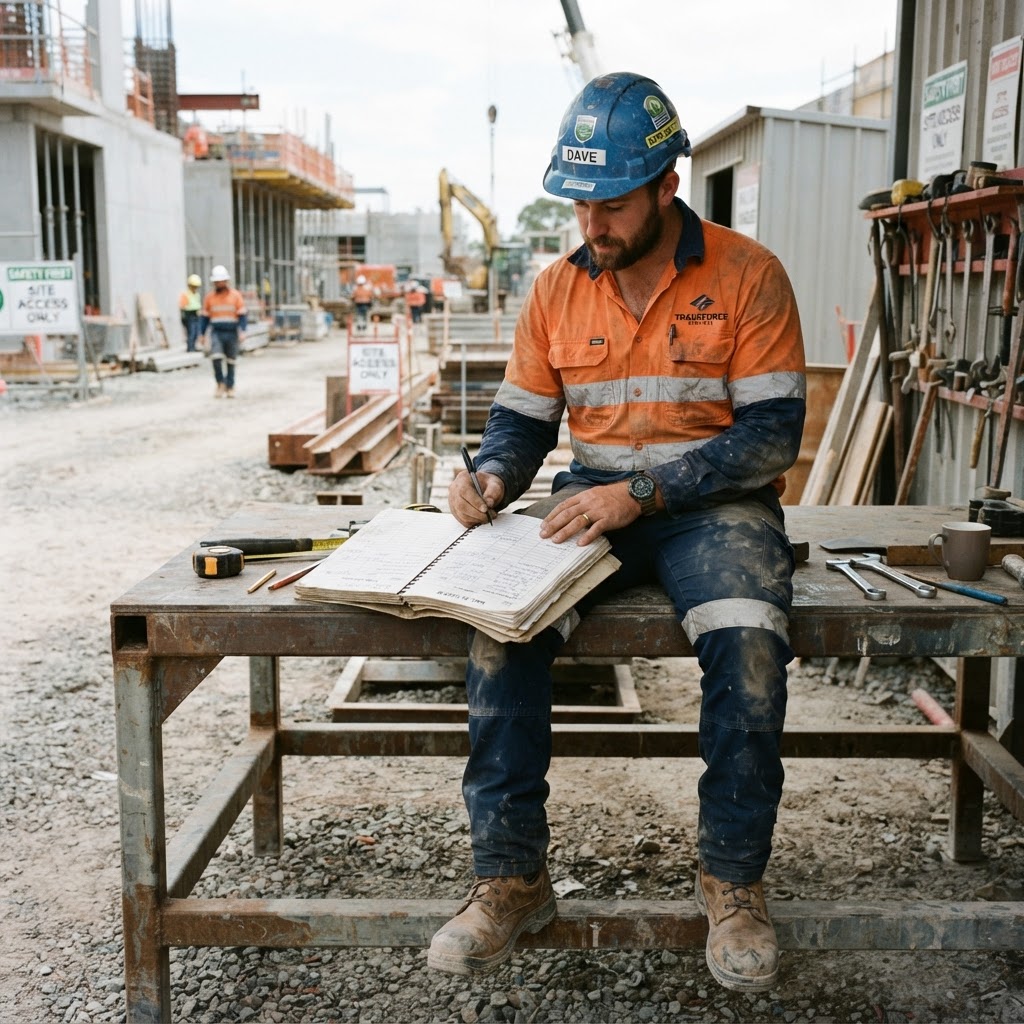
RPL isn't an opinion. It's a formal assessment against nationally recognised competency standards. That means the assessor has to be able to point to your evidence and say, "This shows that the candidate meets Unit XYZ."
Without solid evidence, they can't make that call. It doesn't matter how skilled you actually are — if you can't demonstrate it, the assessment can't move forward.
That's why tradies who put time into gathering evidence upfront almost always have faster, smoother assessments. You're making the assessor's job straightforward. You're saying, "Here's what I've done, here's where, here's who can vouch for me, and here's what it proves."
"Tradies with well-documented evidence packages complete their RPL assessment 40% faster on average than those who don't — and they're far more likely to be awarded the full qualification without needing additional assessment." — MSA Assessment Data, 2025.
If you're thinking about getting RPL, you don't need to wait. Here's what you can do today:
The assessor's job is to evaluate your evidence against the standards. Your job is to make sure that evidence is clear, accessible, and honest. When both of those things happen, RPL works exactly as it's supposed to.
MSA specialises in helping tradies build their RPL evidence packages and complete assessments fast. We'll guide you through exactly what you need and how to present it.
Book a Callback →Talk to an Industry Skills Advisor about your options
Talk to an Industry Skills Advisor about your options