We are a proud member of the Housing Industry Association Limited (HIA)

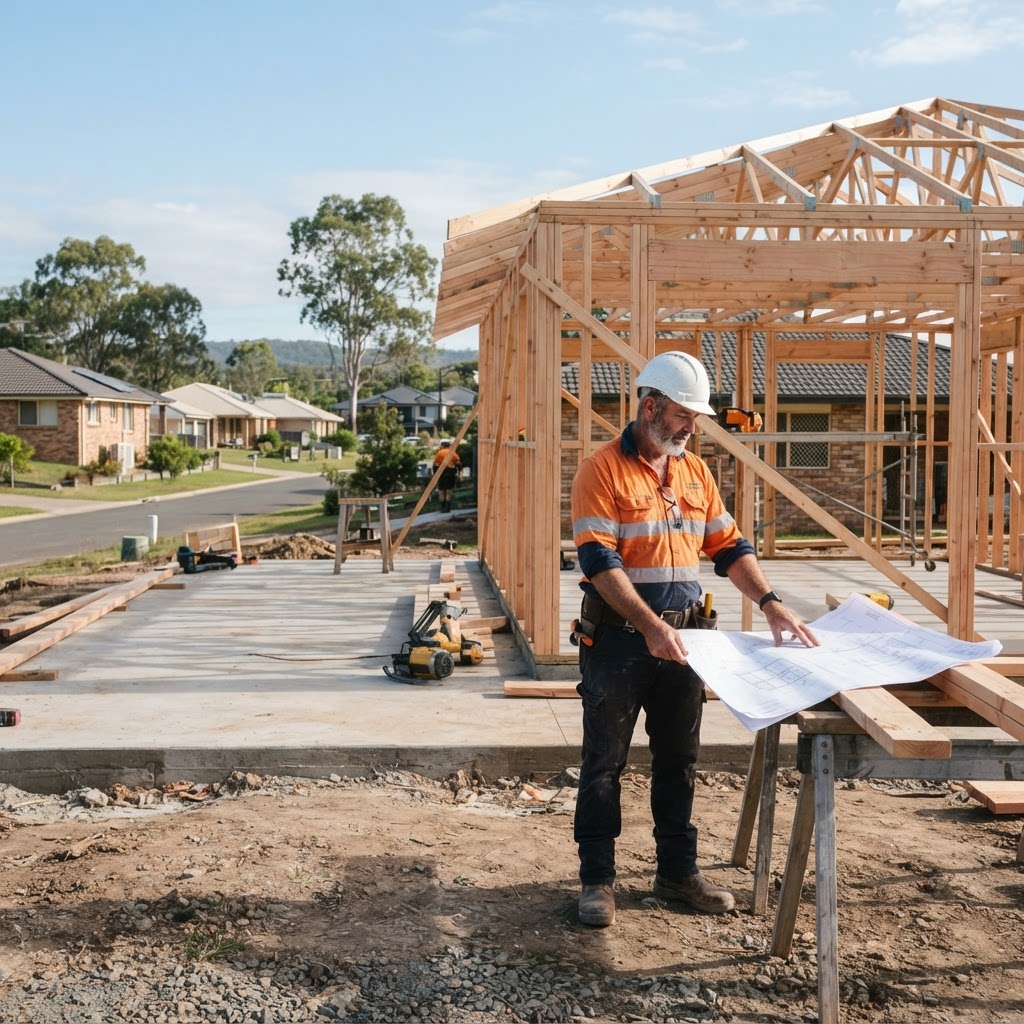
If you've spent years running jobs, coordinating trades and sorting problems on site, you may be closer to a builder's licence in Victoria than you think.
The tricky bit is working out what the Victorian Building Authority (VBA) expects, which qualification may suit your goals, and how to turn your experience into evidence. Here's the plain-English version.
In Victoria, domestic building work over the relevant threshold generally needs to be carried out by a registered domestic builder. Registration can allow you to contract for, manage and supervise domestic building work within the class you hold, subject to the VBA's requirements and any conditions on your registration.
That doesn't mean every builder's licence works the same way. Your registration class, the type of work you plan to take on, financial requirements and technical knowledge all matter. A tradie moving from carpentry into residential building, for example, may need a different pathway from someone aiming to manage larger construction projects.
It's also worth separating registration from a qualification. A formal qualification could support an application, but the VBA may assess your full situation, including experience, technical knowledge and supporting documents.

Your on-site experience could be valuable, but it needs to be matched to the work and responsibilities you want recognised. That can include supervising workers, reading plans, organising subcontractors, managing variations, checking quality, coordinating inspections and keeping projects moving.
Keep in mind that doing a task once isn't always the same as showing consistent responsibility across projects. Evidence might include project documents, contracts, invoices, plans, progress photos, references, job diaries and a clear record of what you personally did.
For many experienced tradies, CPC40120 Certificate IV in Building and Construction (Building) may be a relevant qualification to explore. If you're already managing budgets, programs, subcontractors and client expectations, CPC50320 Diploma of Building and Construction (Management) could also be worth discussing. The right option depends on your background and the registration pathway you're considering.
“A licence application is easier to plan when your experience, qualification and evidence all tell the same story.”
Before you start filling out forms, work through these practical steps:
The biggest mistake is treating the process like a paperwork exercise. Your evidence should make it clear that you understand the technical, legal and management responsibilities attached to the work you want to undertake.
Recognition of Prior Learning, or RPL, is designed for people who may already have developed relevant skills through work rather than a classroom course. It doesn't guarantee a qualification or registration, but it could provide a faster, more focused way to have your existing experience assessed.
A good assessment starts with a conversation about your projects and responsibilities. From there, an assessor may identify the evidence you have, the units that could be supported, and any gaps that might need further training or assessment.
That means you don't have to guess whether your experience counts. You can build a practical plan around the work you've actually done.
MSA specialises in fast, simple RPL assessments for experienced tradies. No classrooms. No fluff. Just results.
Talk to MSA Today →Talk to an Industry Skills Advisor about your options
Talk to an Industry Skills Advisor about your options