We are a proud member of the Housing Industry Association Limited (HIA)

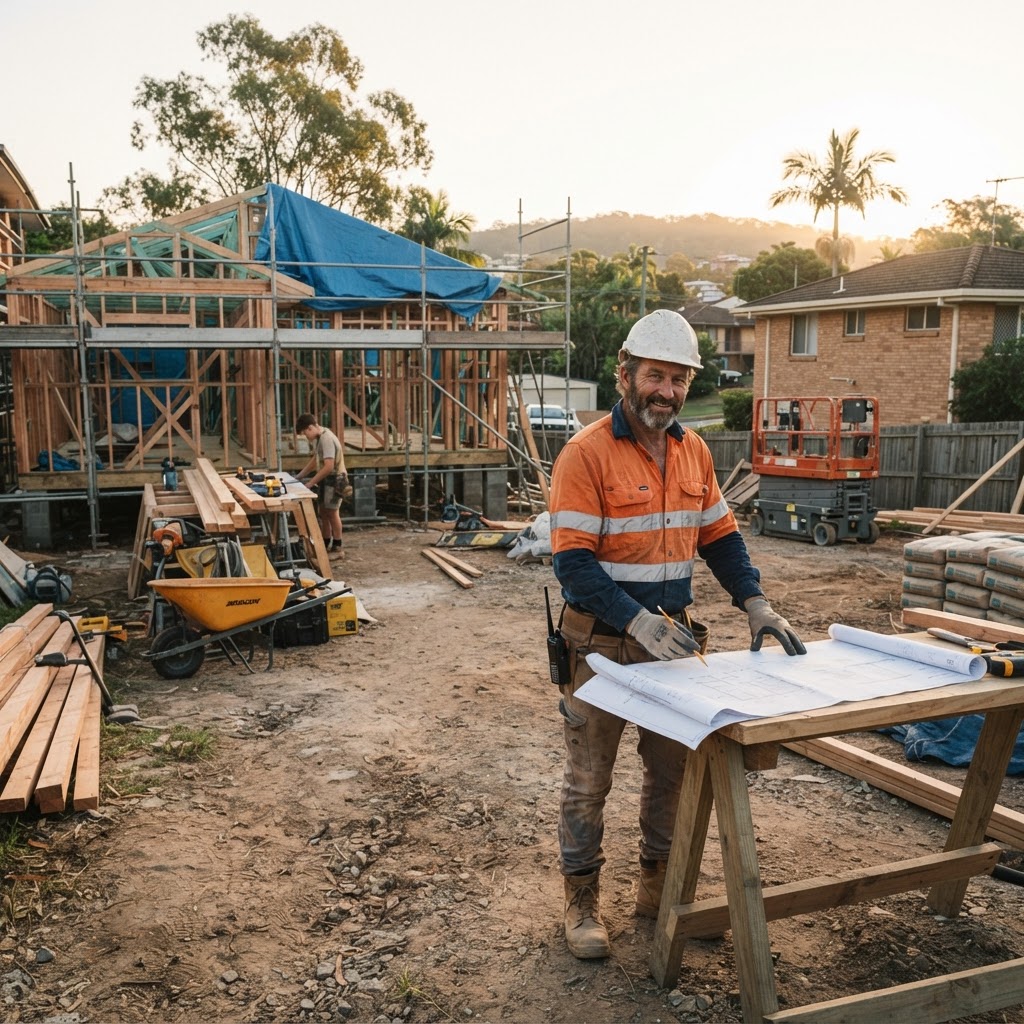
You might have years of building experience but not the paperwork to match. If you’re looking at a builder’s licence, that gap can feel like a massive headache — especially when you’re already flat out running jobs.
The good news is that your practical experience could be relevant to a formal qualification through Recognition of Prior Learning (RPL). It doesn’t mean every application works the same way, and it doesn’t guarantee a qualification or licence. But it may give you a more direct way to have your existing skills assessed.
Here’s what RPL evidence could look like, how to organise it, and where it may fit into your RPL pathway.
RPL is about matching what you already know and do against the requirements of a nationally recognised unit or qualification. For a builder, that may include planning work, coordinating trades, reading drawings, managing safety, checking quality, handling suppliers and keeping a project moving.
The evidence isn’t about making a pretty folder for the sake of it. It’s about showing an assessor how your real work connects with the skills and knowledge being assessed. A project you’ve completed, supervised or managed could provide useful evidence when it is supported by clear details and can be verified.
Depending on your background and the qualification being considered, an assessor may ask for a mix of documents, photos, conversations, practical demonstrations, or referee information. The exact evidence needed can vary, so it’s worth getting advice before you spend hours digging through old files.
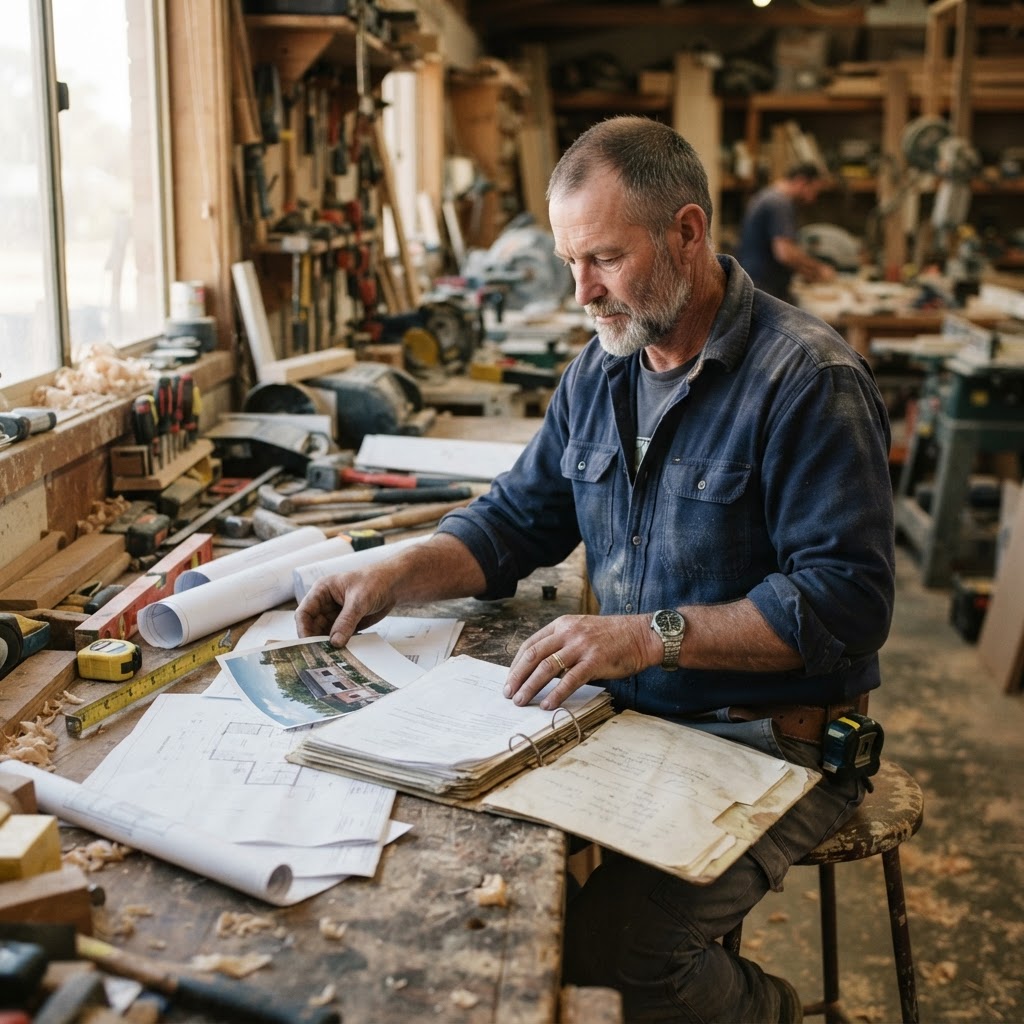
Most tradies already have more useful evidence than they realise. It may be spread across your phone, email inbox, ute, office and old project folders — which is why a bit of sorting can make a big difference.
Potential evidence could include:
Don’t stress if you don’t have every item on the list. Evidence is usually considered as a complete picture rather than a simple tick-box exercise. A smaller number of strong, relevant examples may be more useful than a huge pile of random screenshots.
"The best evidence is practical, relevant and easy for an assessor to understand — not just a stack of paperwork."
Licensing rules are set by each state or territory, so the qualification and experience requirements can differ. Queensland, New South Wales and Victoria, for example, have their own regulators, application processes and licence classes. That’s why a qualification pathway should be planned around where you work and the type of building work you want to carry out.
For some experienced construction professionals, RPL could be a way to work towards the CPC40120 Certificate IV in Building and Construction (Building) or another relevant qualification. The qualification itself is only one part of a licensing application, and the relevant regulator may also consider experience, financial capacity, technical knowledge, insurance and other requirements.
In other words, finishing an RPL assessment may help with one part of your bigger plan, but it shouldn’t be treated as an automatic licence approval. Your assessor or RTO can explain the qualification process, while the state regulator remains the place to confirm current licensing rules.
You don’t need to shut down a job for a week and become a full-time administrator. Start with one or two projects that show the kind of work you regularly handle.
Keep copies of anything you submit and avoid sending sensitive client information unless it is genuinely needed. You may be able to redact private addresses, phone numbers and pricing while still showing the work clearly.
If your goal is a builder’s licence, it can also help to read the relevant builder’s licence information for your state and compare it with the qualification pathway you’re considering.
MSA specialises in fast, simple RPL assessments for experienced tradies. No classrooms. No fluff. Just results.
Talk to MSA Today →Talk to an Industry Skills Advisor about your options
Talk to an Industry Skills Advisor about your options