We are a proud member of the Housing Industry Association Limited (HIA)

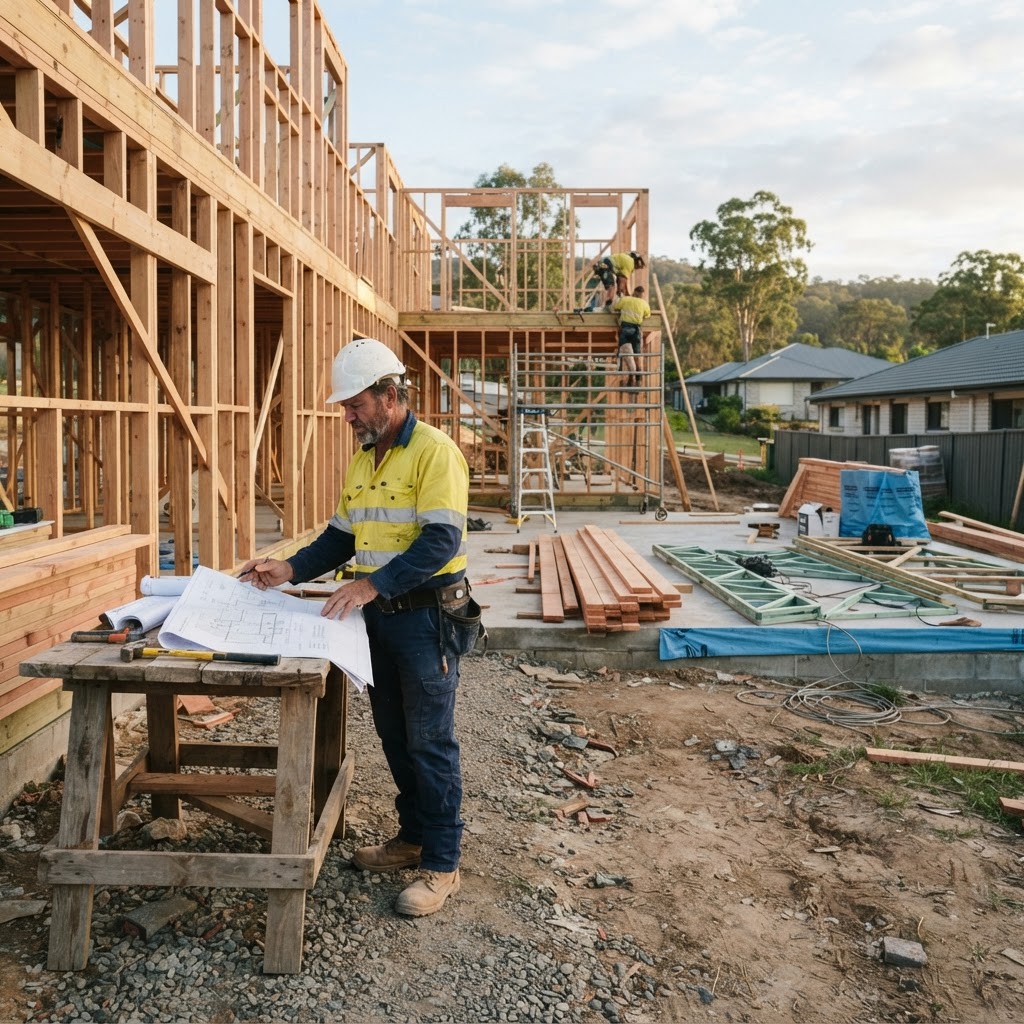
If you've been running jobs, coordinating trades and fixing problems on site for years, you may be closer to a Queensland builder's licence than you think. The tricky bit is working out what your experience covers and what formal evidence may still be needed.
Queensland licensing can feel like another pile of paperwork on top of an already full week. The good news is that there may be a more practical way to map your experience, identify the gaps and take the next step without putting your whole working life on hold.
A builder's licence in Queensland is more than a badge for your ute. It relates to the type and scale of building work you can contract for, the responsibilities you take on and the technical knowledge you need to manage work safely and properly.
The exact pathway can depend on the licence class, the work you plan to do and the requirements of the Queensland Building and Construction Commission (QBCC). A person working on residential projects may need to show a suitable construction qualification, relevant experience, financial information and other supporting details. Requirements can change, so it is smart to check the current QBCC guidance before lodging an application.
For many experienced tradies, the qualification side is where the process starts. CPC40120 Certificate IV in Building and Construction (Building) could be relevant for people aiming to build on their site experience and move towards domestic building work. Others may be looking at the CPC50320 Diploma of Building and Construction (Management), depending on their background and career direction.
Years on the tools can teach you plenty that does not appear on a payslip. You may have planned work, read drawings, organised subcontractors, managed variations, checked quality, handled clients and kept a project moving when things went sideways.
That experience may be useful in an RPL assessment. Recognition of Prior Learning is a process for comparing what you can already do against the requirements of a formal qualification. It is not a shortcut that skips assessment. Instead, an assessor reviews evidence and may ask you to explain, demonstrate or supply proof of your skills.
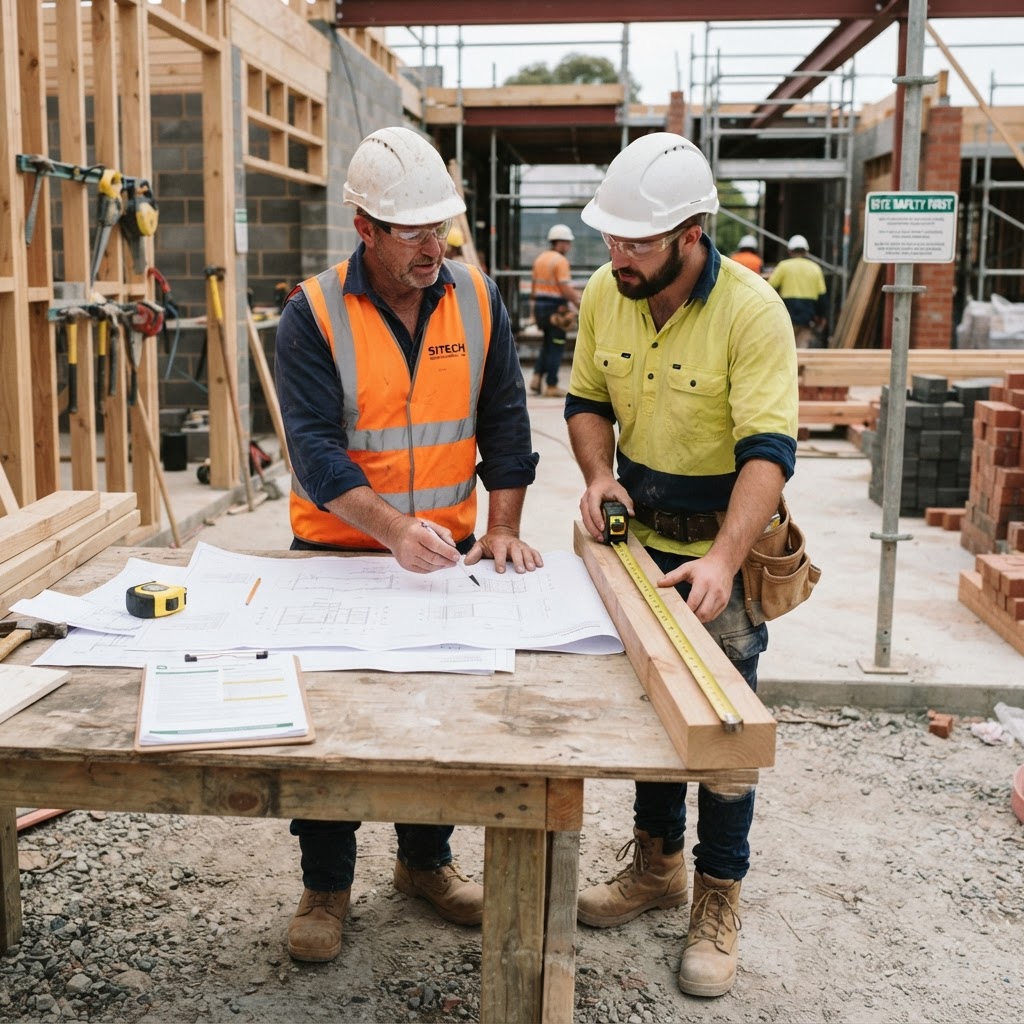
Useful evidence could include project photos, plans, site diaries, purchase orders, invoices, contracts, inspection records, safety documents, client references and examples of how you solved real construction problems. The right evidence depends on the units being assessed, so a good starting point is to gather a broad project history rather than trying to guess every document upfront.
“Your experience may be valuable evidence — but it still needs to be matched, checked and assessed against the qualification requirements.”
Before you spend money on a course or start a licence application, take a clear look at where you are now. A simple skills and evidence check could save you time and help you choose a realistic pathway.
It is also worth separating two questions: “What qualification might suit my experience?” and “What does QBCC require for the licence class I want?” They are connected, but they are not exactly the same thing. Completing a qualification does not automatically guarantee a licence, and the regulator may have additional requirements to consider.
Traditional study can be the right choice if you want structured learning, need to build foundational knowledge or are entering a new area of construction. But if you have years of relevant experience, starting every topic from the beginning may not be the best fit for your situation.
RPL could help you focus on what needs to be evidenced and assessed. You may still need to complete gap training or provide extra evidence where your experience does not cover a requirement. That is normal. A thorough assessment should make those gaps clear instead of making promises before anyone has reviewed your background.
MSA specialises in fast, simple RPL assessments for experienced tradies across Australia. The process may suit you if you want plain-English guidance, practical evidence advice and a pathway that works around active jobs and family commitments.
Whether you are a carpenter, site supervisor, concreter, plumber or an experienced project lead, your next step starts with an honest review of your work history. You may already have more relevant experience than you give yourself credit for — now it needs to be mapped properly.
MSA specialises in fast, simple RPL assessments for experienced tradies. No classrooms. No fluff. Just results.
Talk to MSA Today →Talk to an Industry Skills Advisor about your options
Talk to an Industry Skills Advisor about your options