We are a proud member of the Housing Industry Association Limited (HIA)

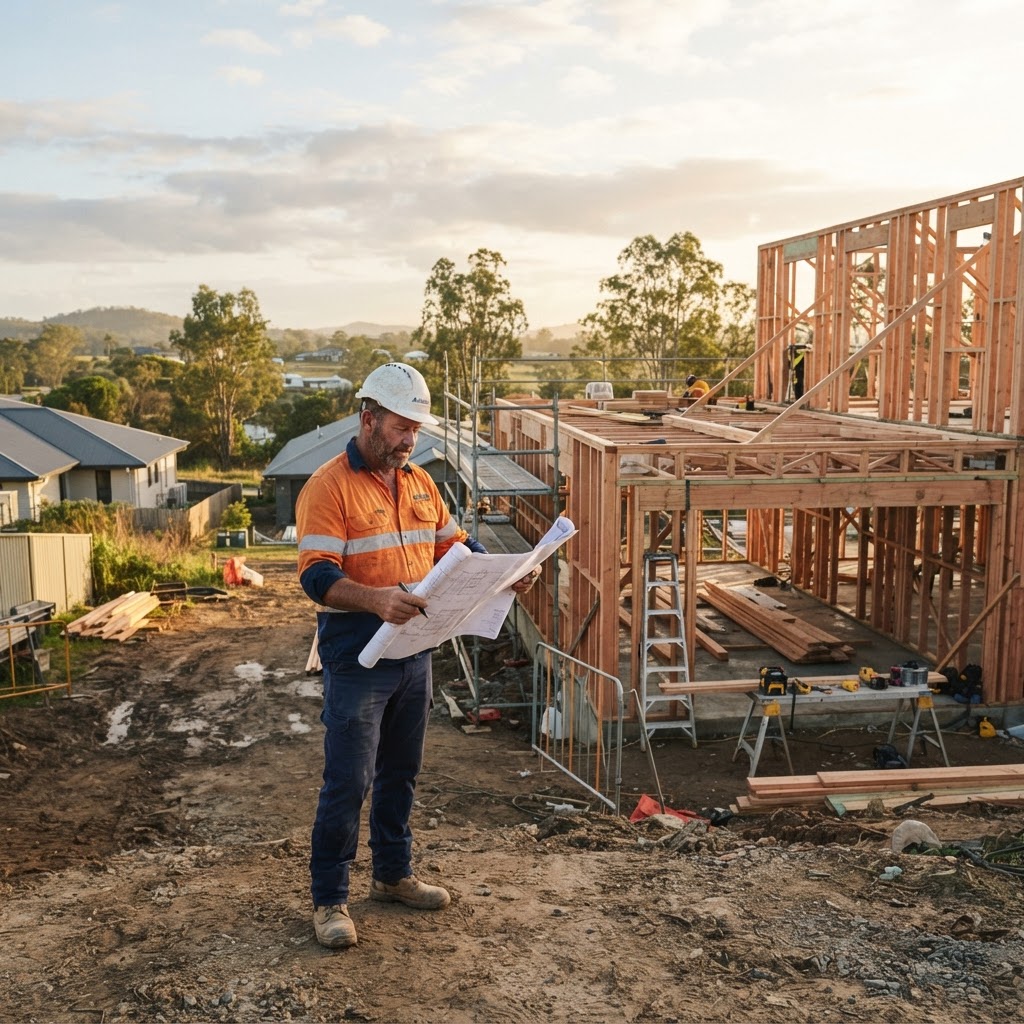
If you've spent years running jobs, coordinating trades and sorting problems on site, getting a builder's licence in NSW could be the next move. The tricky bit is knowing how your real-world experience lines up with the formal requirements.
You might have the skills already, but licensing applications usually need more than a good reputation and a stack of photos. You'll generally need to show what you've done, how you've done it and where a recognised qualification may fit.
Here's the plain-English version for tradies who don't have time to wade through paperwork all day.
In NSW, building work is regulated by NSW Fair Trading. The exact licence class and requirements depend on the type and scale of work you want to carry out, as well as whether you're applying as an individual contractor, supervisor or business.
That means there isn't one universal pathway for every carpenter, site supervisor or builder. A person working on residential projects may be looking at a different class or set of responsibilities from someone managing larger or more specialised work.
The common thread is competency. You may need to demonstrate relevant industry experience, technical knowledge, business or management capability and a suitable qualification. The authority can also ask for supporting documents, so it pays to check the current NSW Fair Trading requirements for the licence class you're considering.
For many experienced tradies, the first useful step is not filling out the application. It's mapping your work history against the qualification and licence pathway so you can see what may be missing.
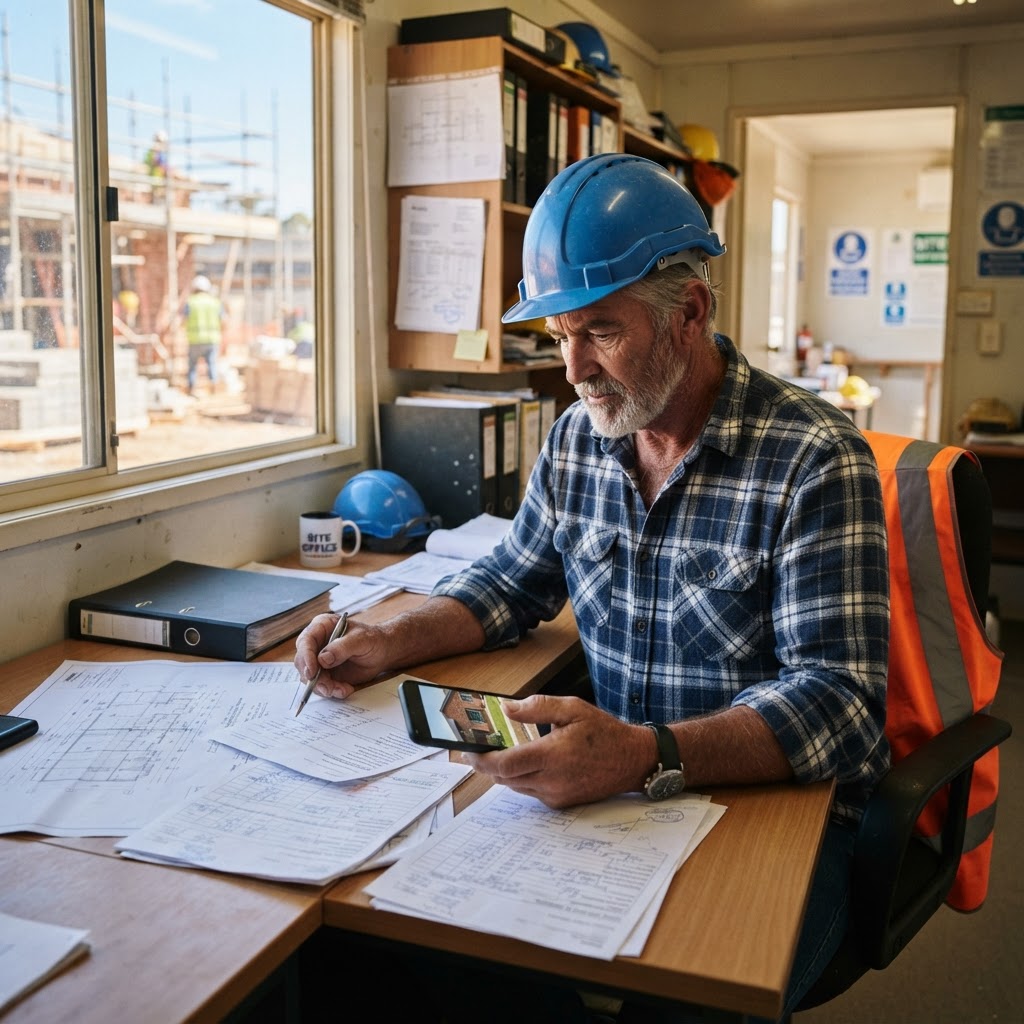
Your evidence should tell a clear story about the work you've personally carried out or supervised. Think less about throwing every document you own into a folder and more about showing consistent responsibility across real projects.
Useful evidence could include contracts, invoices, plans, permits, site diaries, certificates, photos, inspection records, client references and written statements from employers or people who engaged you. Photos can help, but a photo on its own may not prove your role, the project scope or the decisions you made.
It can also help to organise evidence by project. For each job, note the address or project name, dates, your role, the work completed, the trades you coordinated, safety or quality responsibilities and who could verify the details. This makes the assessment process easier to follow and may highlight gaps early.
If you've been self-employed, don't assume that lack of a traditional employer reference shuts the door. Business records, client contacts, subcontractor details and project documentation may help an assessor understand your experience. Every case is different, so an early conversation with an experienced RPL provider can save a lot of wasted effort.
"Good evidence doesn't just show that a job happened — it helps show what you were responsible for."
Recognition of Prior Learning, or RPL, is a formal assessment process that looks at the skills and knowledge you've gained through work, previous study and life experience. It isn't a shortcut around the rules and it doesn't guarantee a qualification. It gives you a way to have relevant experience assessed against the units in a recognised course.
For a tradie, that could mean reviewing your experience against CPC40120 Certificate IV in Building and Construction (Building), depending on your goals and the assessor's requirements. You may be asked for more evidence, a practical demonstration, a professional conversation or gap training where your current evidence doesn't cover a unit.
A sensible NSW builder's licence checklist could look like this:
Once you understand the pathway, the paperwork becomes much less random. You can focus on the evidence that matters instead of chasing documents that don't add much value.
MSA specialises in fast, simple RPL assessments for experienced tradies. No classrooms. No fluff. Just results.
Talk to MSA Today →Talk to an Industry Skills Advisor about your options
Talk to an Industry Skills Advisor about your options