We are a proud member of the Housing Industry Association Limited (HIA)

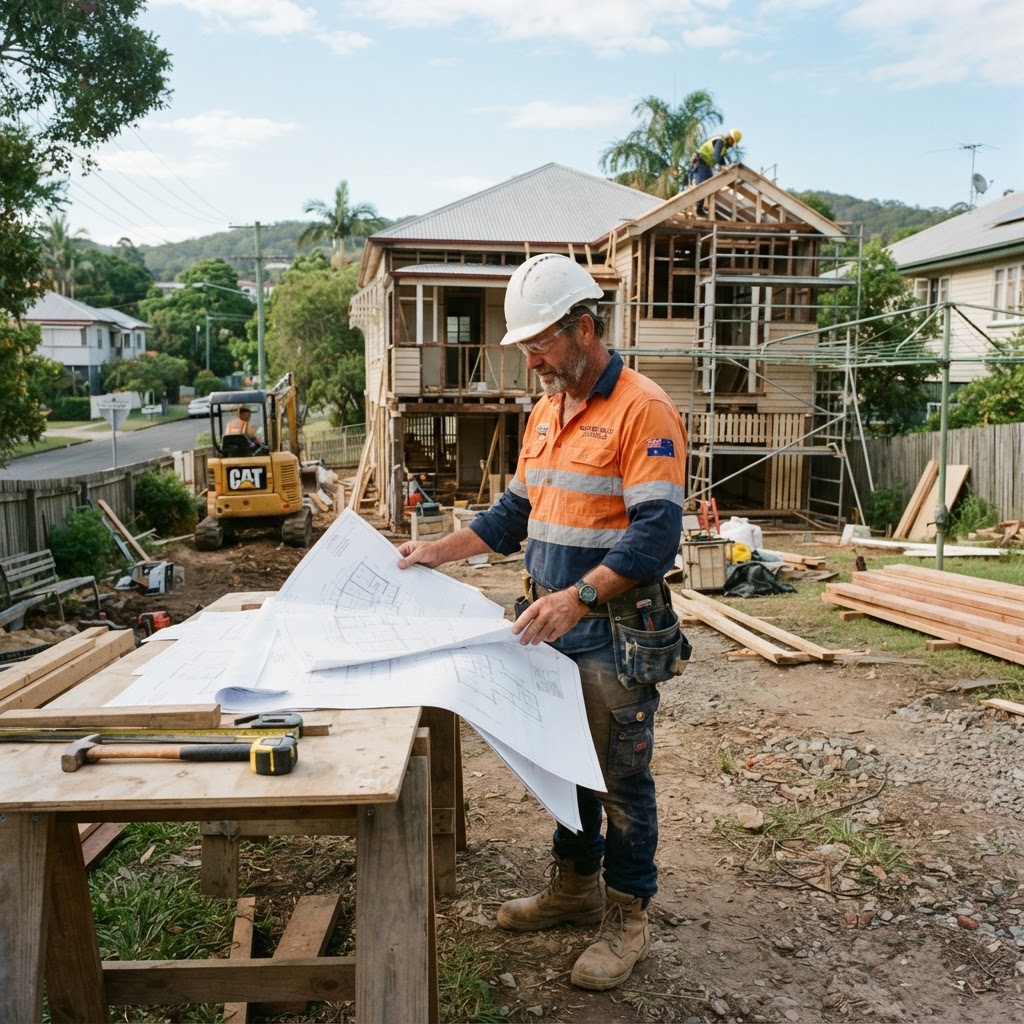
If your builder licence renewal date keeps sneaking up on you, you're not alone. Between jobs, quotes, apprentices and the next deadline, paperwork usually lands at the bottom of the list.
The good news is that a bit of preparation could make the process much less painful. This guide runs through the main things to check before renewing a builder licence in Australia, with practical notes for tradies in Queensland, New South Wales and Victoria.
Rules and fees can change, so always confirm the current requirements with your state regulator. Your experience may also be relevant if you still need a formal building qualification for the licence pathway.
A renewal is more than ticking a box and paying a fee. Your regulator may ask you to confirm your licence details, business information, contact details, insurance arrangements or other ongoing obligations. The exact process depends on the state, the type of licence you hold and whether you're licensed as an individual, a company or a partnership.
Before you start, find your current licence card, approval letter or online account details. Check the licence number, nominated supervisor information, business name and expiry date. If anything has changed since your last renewal — such as your address, company structure or contact details — it may need to be updated separately.
It's also worth checking whether your licence has conditions or limits attached to it. A renewal generally continues the licence you hold; it may not expand the types of work you're authorised to contract for. If you're looking at a bigger scope, a separate application or qualification pathway could be needed.
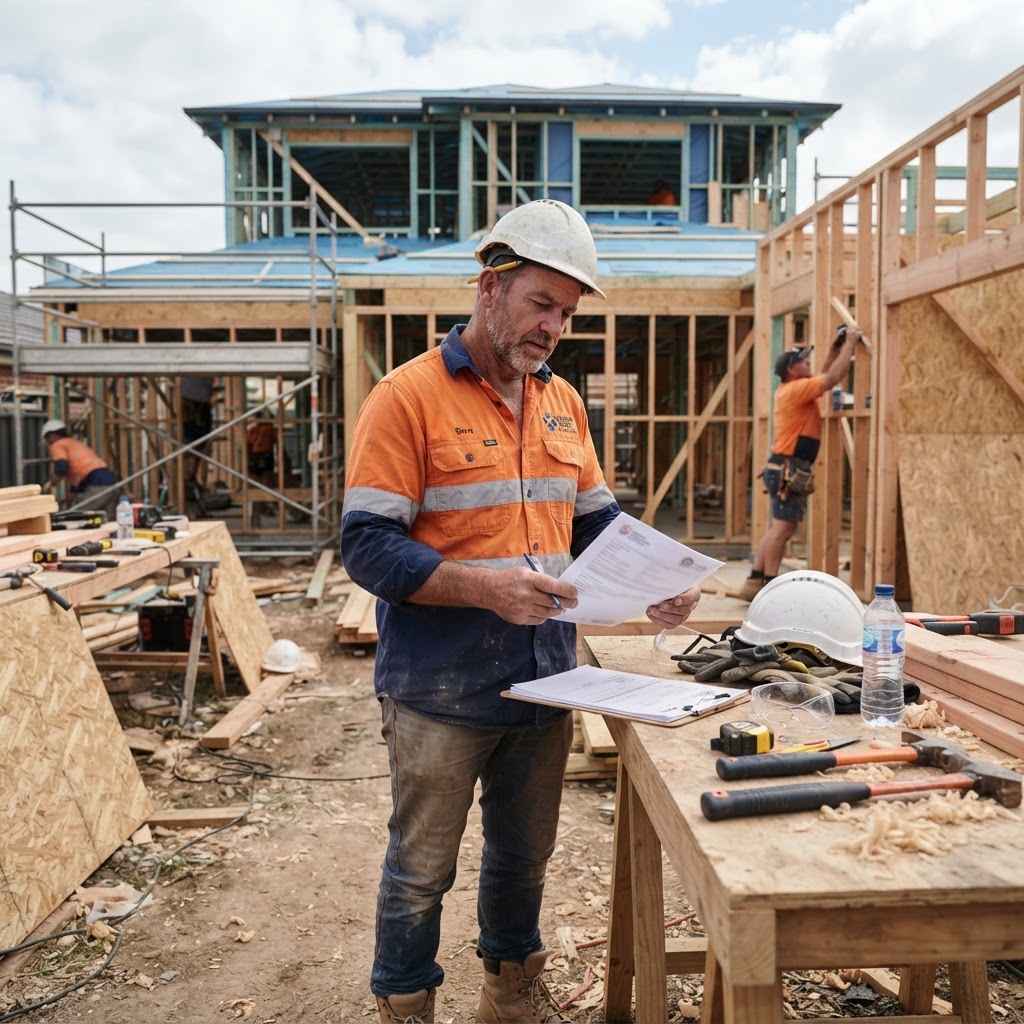
Builder licensing isn't managed by one national authority. Each state has its own regulator, forms, timeframes and continuing obligations, which is why advice from a mate in another state might not line up with your situation.
In Queensland, QBCC handles contractor licensing and renewals. You may need to keep your financial information, licence details and relevant insurance arrangements up to date. QBCC also has rules around annual licence fees and a renewal period, so check your online account and current correspondence rather than relying on an old invoice.
In New South Wales, building and trade contractor licensing is managed by NSW Fair Trading. Licence holders should check the renewal notice, confirm the correct contractor details and make sure any required business or supervisor information is current. If you've changed from working as a sole trader to operating through a company, don't assume the old licence details automatically cover the new structure.
In Victoria, the Victorian Building Authority manages practitioner registration and builder-related requirements. The right renewal process can depend on whether you're registered as a domestic builder, a commercial builder or another practitioner type. Review your registration category and current VBA instructions before submitting anything.
“Licence renewal keeps your existing permissions current — it may not replace the separate qualification or experience evidence needed for a broader licence.”
Give yourself a bit of breathing room and work through these checks before the expiry date:
If you're self-employed, it can help to separate your personal trade records from business records. Keep contracts, invoices, plans, variations, site records and client communications easy to find. Those documents may also help if you decide to explore Recognition of Prior Learning (RPL) for a building qualification.
For some experienced tradies, RPL could be a practical way to have existing skills and knowledge assessed against a qualification such as the CPC40120 Certificate IV in Building and Construction. It doesn't mean every application will have the same outcome, and a regulator's licensing requirements still apply. The point is to find out what your experience may already support before signing up for years of classroom study.
Don't keep contracting as normal until you've checked your position. An expired licence may affect what work you can legally contract for, and the steps to restore or reapply can differ from a standard renewal. Contact the relevant state regulator promptly and ask what applies to your licence number and circumstances.
If you've missed the date, keep a record of when you stopped taking on new work, what projects are in progress and any advice you receive. Avoid guessing based on a forum post or an old industry conversation. Licensing is state-based, and a small detail can change the correct next step.
Renewal is also a useful time to review where you're heading. If you're already supervising jobs, coordinating subcontractors, managing budgets or dealing directly with clients, your work history could be worth assessing against a formal qualification. MSA specialises in straightforward RPL assessments for experienced building and construction professionals.
MSA specialises in fast, simple RPL assessments for experienced tradies. No classrooms. No fluff. Just results.
Talk to MSA Today →Talk to an Industry Skills Advisor about your options
Talk to an Industry Skills Advisor about your options