We are a proud member of the Housing Industry Association Limited (HIA)

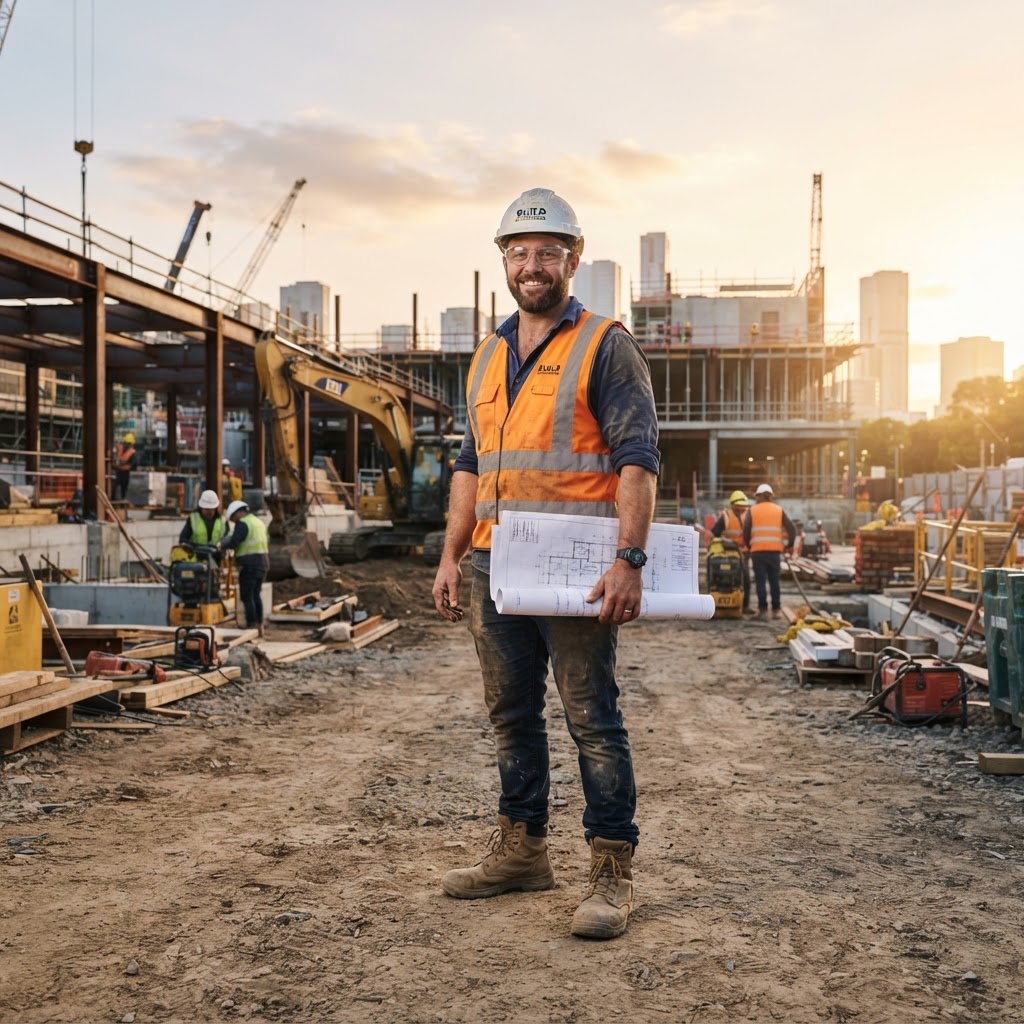
You've been in the game for a while now. You know how to run a job, manage crews, and deliver quality work. But there's one thing holding you back from taking the next step — a builder's licence.
The thing is, getting licensed can feel like navigating a maze. Different states have different rules. Some pathways feel designed to make it harder, not easier. And if you've been self-employed or worked under someone else's licence, you might not even know where to start.
Here's the straight truth: if you've got the experience and know what steps to take, a builder's licence isn't as far out of reach as you think.
A builder's licence is essentially a legal permission slip from your state's building regulator that says, "Yep, this person is qualified to run building projects independently." It's not just a badge on your website — it's required by law if you want to legally contract directly with clients or take on building work independently.
Different states have different categories of builder's licence. You might be a residential builder, commercial builder, or both. The licence category determines what kind of work you can legally do and what price threshold applies to your jobs.
Without the right licence, you're limited to subcontracting under someone else's licence — which means less control, lower margins, and no real business asset of your own.
Most states offer two main routes to get licensed:
Both pathways end at the same place: a nationally recognised qualification that you can then use to apply for your builder's licence with your state regulator.
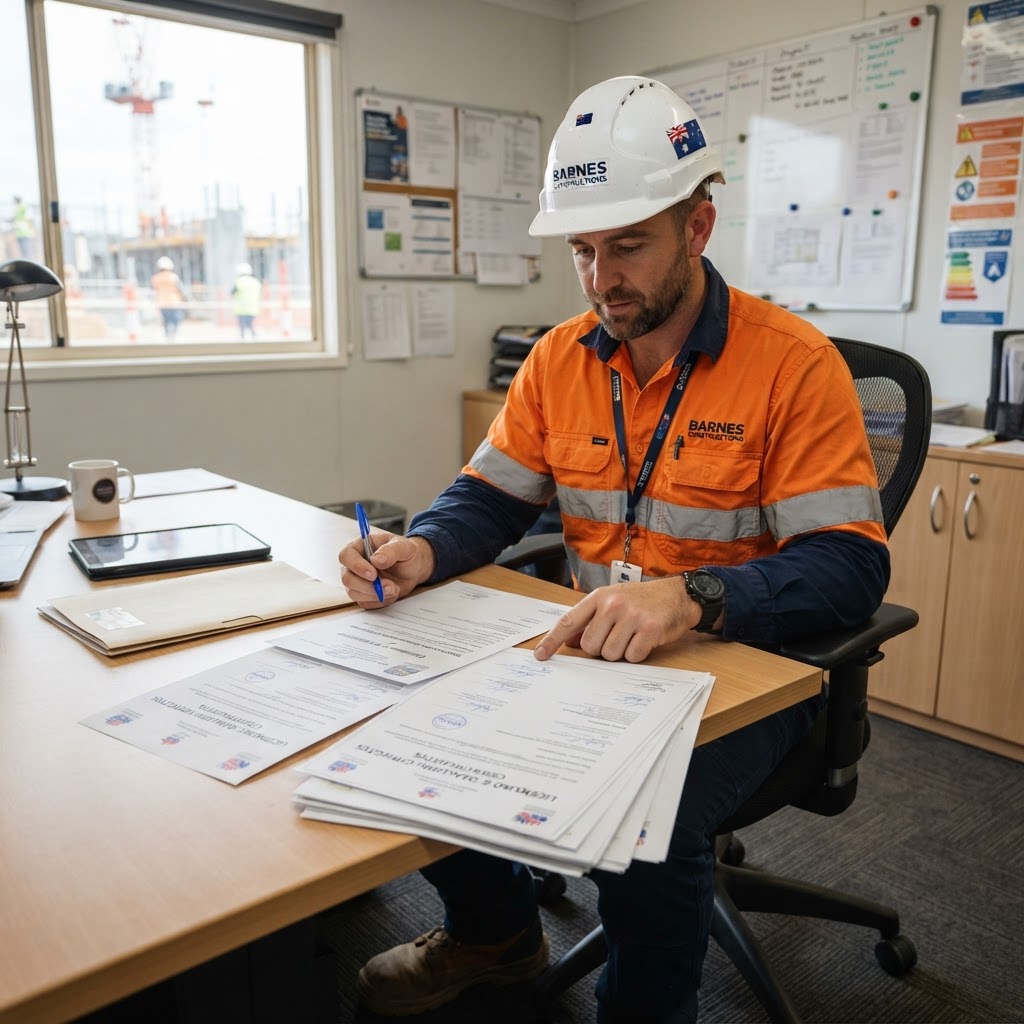
Here's where it gets important to pay attention. Each state has its own specific builder's licence requirements:
Queensland: You'll need a Certificate IV in Building and Construction (CPC40120), plus proof of financial capacity and public liability insurance. You also need to pass the Queensland Builder's Exam.
New South Wales: Similar structure — Certificate IV (or equivalent), plus specific competency requirements set by NSW legislation, insurance, and financial proof.
Victoria: Slightly different categories and requirements, but the fundamentals are the same: recognised qualification, compliance with building standards, and proof of financial capacity.
The qualification piece is usually the longest and most expensive hurdle. Once you've got that sorted, the paperwork and admin are manageable.
"Around 45% of builders in Australia started their journey through RPL or credit transfer rather than sitting through a full course. For experienced tradies, it's often the faster, smarter path to getting licensed." — Master Skills Australia industry data.
If you've been in the building and construction industry for 5+ years, have evidence of your experience (project photos, references, contracts), and you've done work that aligns with the Certificate IV standards, RPL could cut months off your pathway to a licence.
The RPL process looks at what you can *already do* rather than what you need to learn. Your years on site, your problem-solving experience, your understanding of building codes and site management — all of that counts as evidence.
The assessment is real but it's not like sitting a 3-hour exam. Your assessor reviews your evidence, has a structured conversation with you about your experience, and makes a call on whether you meet the standard.
If you do — licence pathway opens up. If there are gaps, you'll know exactly what to address.
If you reckon a builder's licence could be worth pursuing, here's what a typical pathway looks like:
It's a process, but it's doable. Thousands of tradies do it every year.
MSA specialises in fast, simple RPL assessments for experienced tradies. We can help you figure out if RPL is your pathway, and get you assessed and qualified.
Let's Talk About Your Path →Talk to an Industry Skills Advisor about your options
Talk to an Industry Skills Advisor about your options