We are a proud member of the Housing Industry Association Limited (HIA)

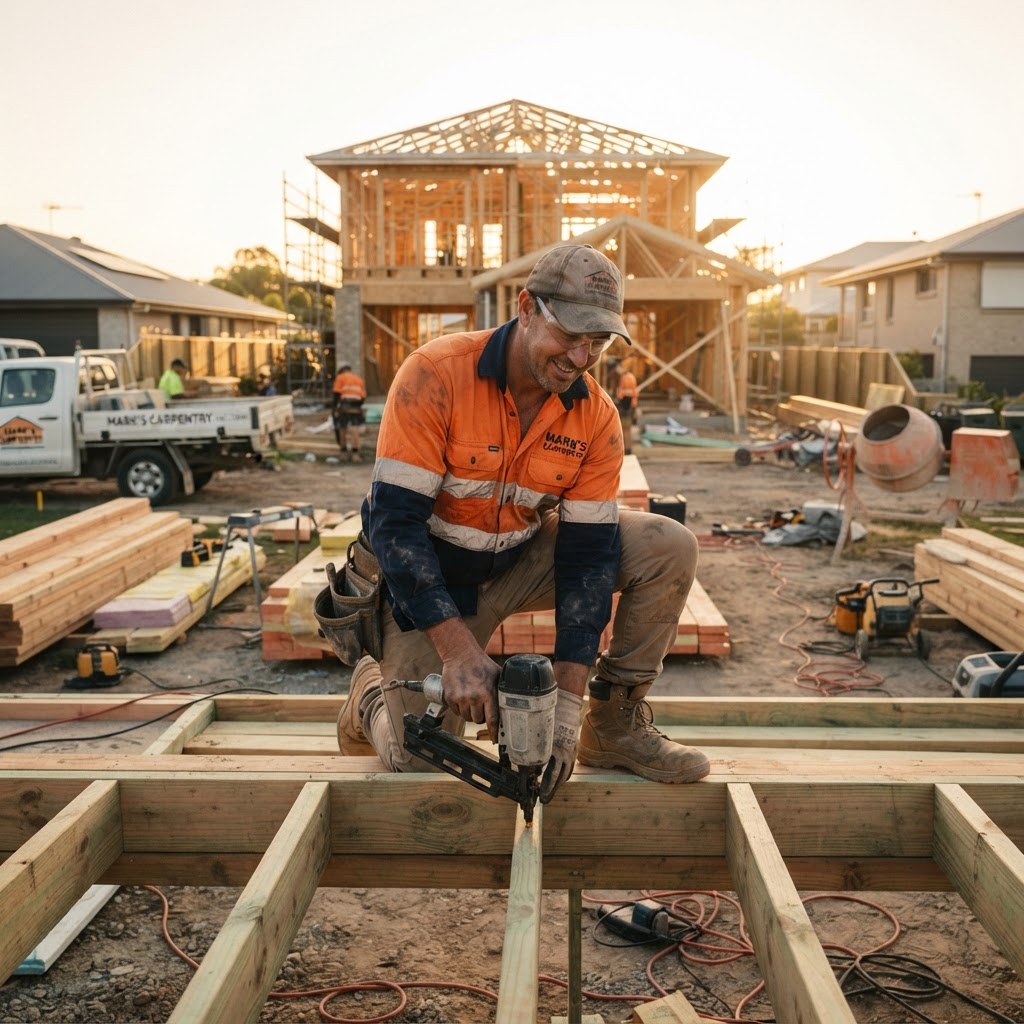
You work for yourself. No boss, no pay slips, no HR department to write you a reference letter. You might be wondering whether RPL is even an option for someone in your position.
Good news — it absolutely is. In fact, thousands of self-employed tradies across Australia get qualified through RPL every year. You just need to provide evidence a bit differently than someone working for a big company.
Here's exactly how it works when you're a sole trader, subcontractor, or small business owner.
The RPL process doesn't care whether you work for someone else or run your own show. What matters is whether you can demonstrate that your skills and experience meet the national competency standards for the qualification you're after.
As a self-employed tradie, you've probably got more diverse experience than most people on wages anyway. You're not just doing the trade work — you're quoting jobs, managing clients, ordering materials, scheduling subcontractors, and handling compliance. That breadth of experience could actually work in your favour during an RPL assessment.
The key difference is how you prove it. Instead of employer references and pay slips, you'll lean more heavily on client testimonials, project photos, contracts, invoices, and your own business records.
This is the question most sole traders ask. If you don't have an employer to back you up, what counts as valid evidence? Here are the types of documentation that typically work well:
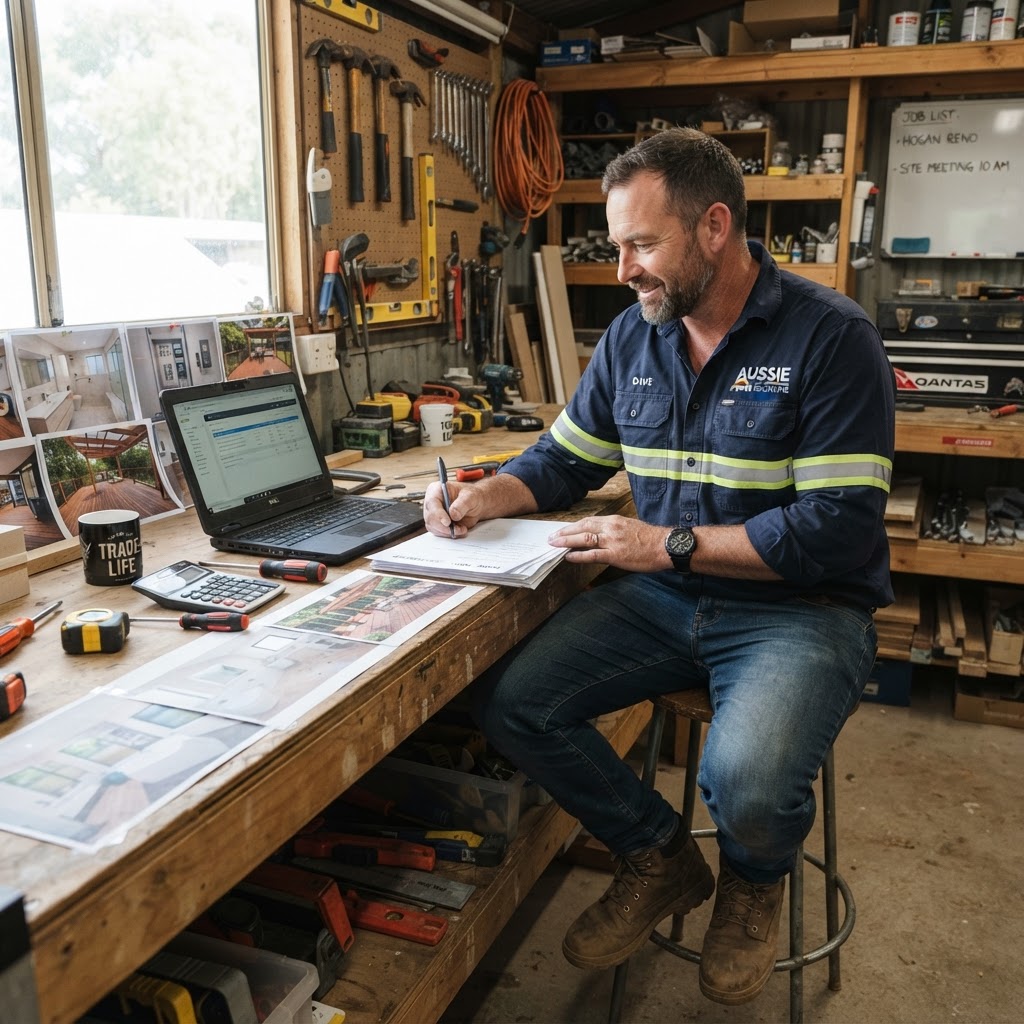
Plenty of tradies run successful businesses without keeping every piece of paper. If your records are a bit light, don't stress — there are other ways to demonstrate your competence.
One option is a structured competency conversation with your assessor. This is essentially a detailed discussion where the assessor asks you specific questions about your trade, your approach to different situations, and how you'd handle particular scenarios. It's not a test — it's a conversation designed to draw out what you already know.
Another approach is practical demonstration. Depending on the qualification, you may be able to demonstrate your skills directly — either on site, through video evidence, or by walking the assessor through a project you've completed.
The bottom line: if you've genuinely been doing the work for years, your assessor will find a way to capture that evidence. You're not expected to be a paperwork expert — you're expected to know your trade.
"Around 60% of workers in the Australian construction industry are sole traders or work for small businesses with fewer than 20 employees — making self-employed tradies one of the largest groups seeking RPL qualifications." — ABS, Australian Construction Industry Data 2025.
The RPL process is essentially the same whether you're employed or self-employed. Here's a step-by-step breakdown of what to expect:
The whole process is designed to work around your schedule — not the other way around. You're running a business. You don't have time for night classes.
The qualifications available to you through RPL depend on your experience, but here are some of the most common ones for self-employed tradies in building and construction:
Each of these could be completed via RPL — and being self-employed doesn't disqualify you from any of them.
MSA specialises in fast, simple RPL assessments for experienced tradies — including sole traders and subcontractors. No classrooms. No fluff. Just results.
Talk to MSA Today →Talk to an Industry Skills Advisor about your options
Talk to an Industry Skills Advisor about your options